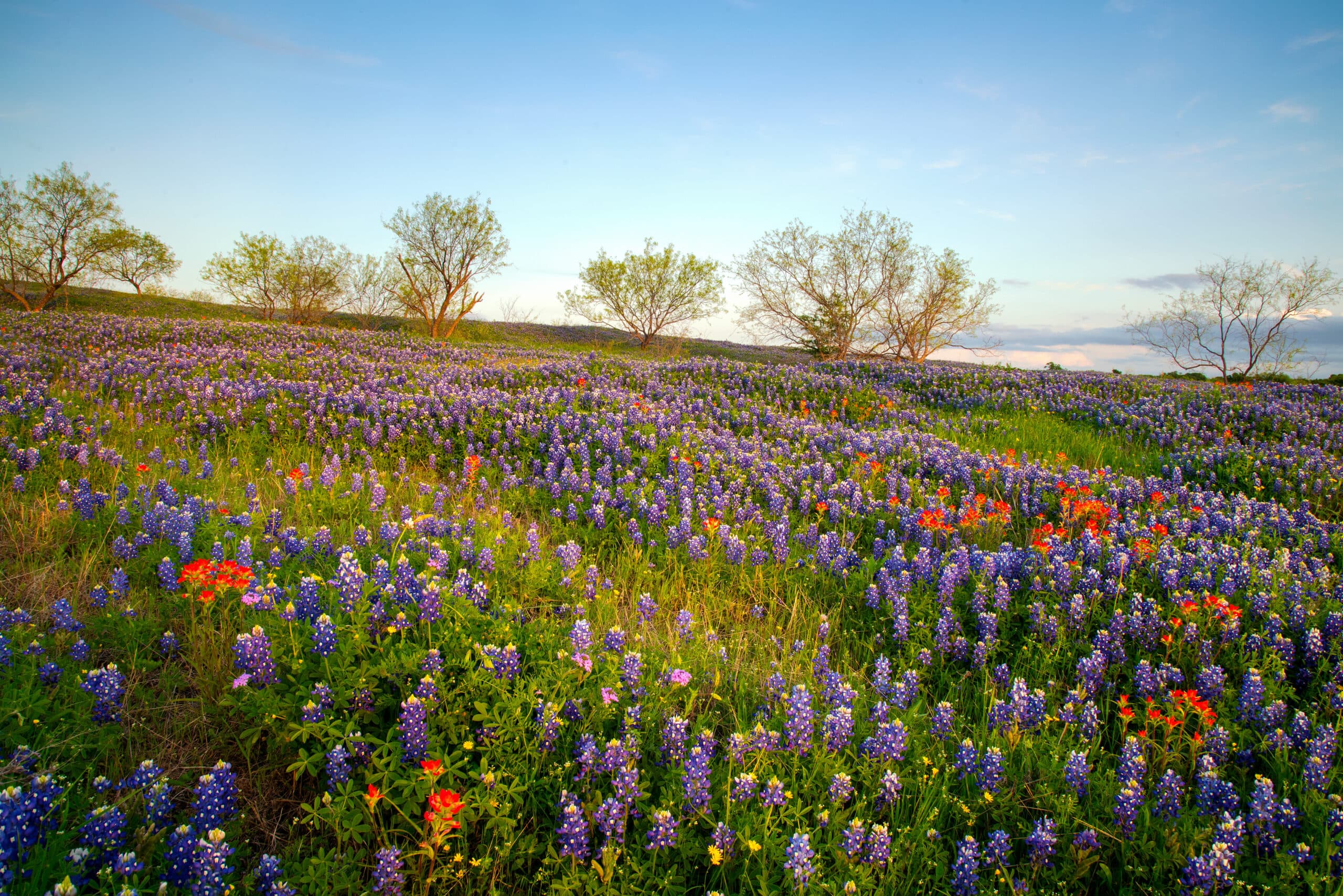
Your Land.Our Bees.Your Exemption.
Texas law allows beekeeping to qualify for the 1-D-1 agricultural use valuation on parcels between 5 and 20 acres. We manage the hives, handle the documentation, and stay on your property year-round. You submit to your county by April 30. We make sure you're ready.
Talk to Us About Your Property →See What to Expect →Find Your Situation
Your land can't support traditional agriculture.
Rocky terrain, thin soil, no water infrastructure. A lot of Texas acreage simply isn't practical for cattle or crops. Beekeeping requires roughly 50 square feet of usable space.
You're replacing an ag operation that got too expensive.
Feed costs, veterinary bills, and herd management add up fast. A managed hive lease puts a qualifying agricultural use on your land that your county recognizes, at a fraction of the operational overhead, without the infrastructure investment.
You recently purchased the land and need to establish production history.
Texas requires a minimum of five out of seven years of qualifying agricultural use for a first-time exemption. We provide documentation for every year we're in the engagement, and we'll tell you honestly what you still need from before we came on.
You're holding ag-exempt land during a development planning window.
Maintaining the exemption while you plan protects your tax position. We put a low-impact qualifying use on the land, one your county recognizes, that doesn't interfere with future site plans and needs almost no physical footprint.
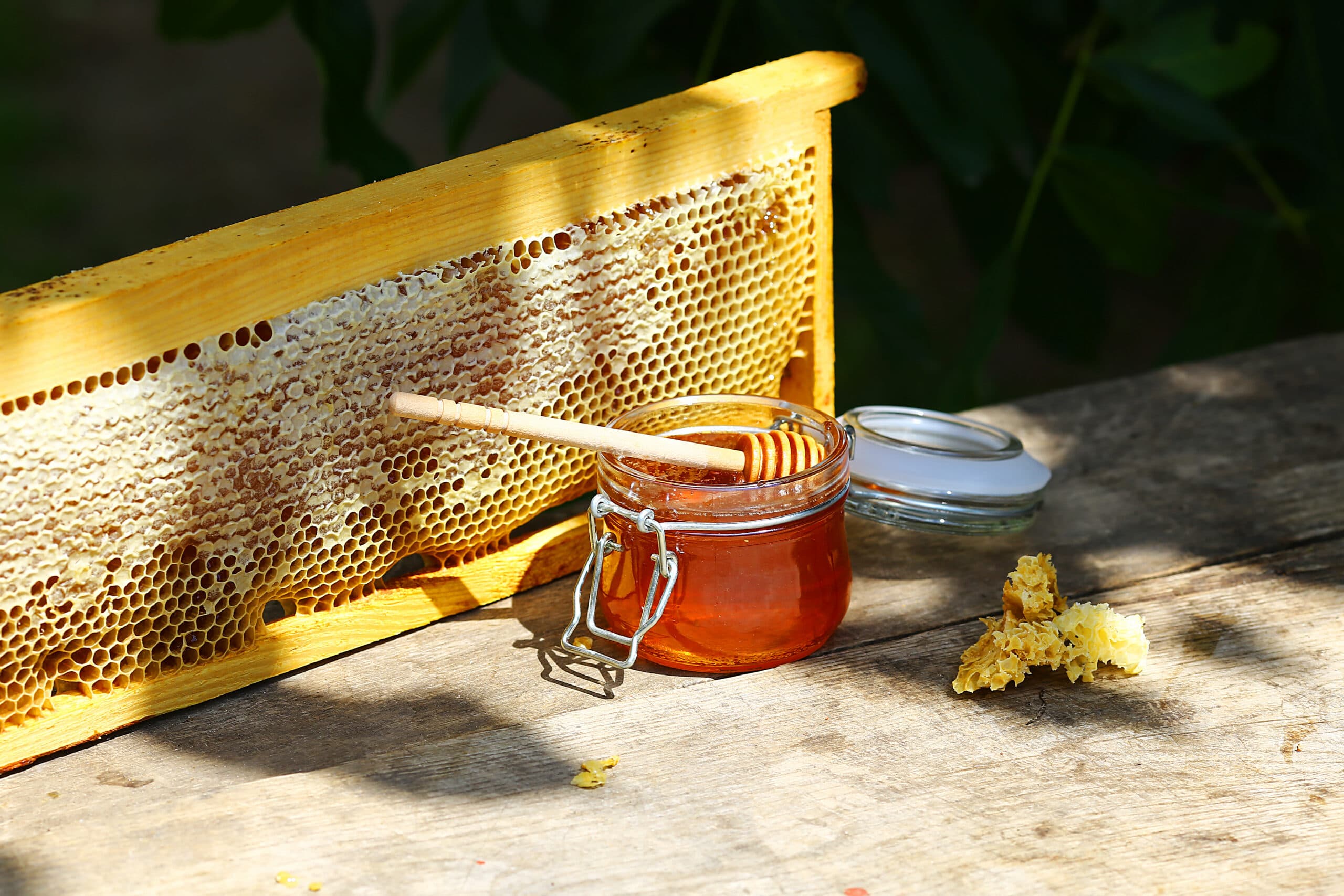
Your Land. Your Honey.
The honey those hives make is yours. It comes off the forage on and around your place. Mesquite, yaupon, wildflower, whatever's blooming that year. We do not blend yields across apiaries. Volume swings with the season and the forage, and we won't promise a number. If you'd rather not sell it yourself, we can make you an offer to buy the harvest.
What to Expect
Contact us with your county, approximate acreage, current land use, and any context about your tax situation. The more you share upfront, the faster we can give you a useful answer.
We review county requirements, acreage, location, and forage context for your property, then come back with an honest assessment of whether it's a fit and what the lease structure would look like.
If it's a fit, we schedule a site visit. We walk the property, confirm placement conditions, work through any site-specific questions, and finalize the lease.
We handle everything from there. Hive placement, ongoing management, the inspection records, and the voluntary TAIS registration. You get a lease agreement and our documentation to file with your county.
What's Included
Under the lease we do the beekeeping your county's standard calls for, and we keep the records behind it. See how we manage bees.
We determine placement, manage the colonies, and handle all inspections and interventions. You don't need to learn beekeeping.
We provide the number and type of colonies your specific county requires for a qualifying agricultural use.
Your colonies stay on your property for the full term of the active lease. We do not pull bees off-site for pollination contracts. If the tax man shows up in February, the apiary is there.
A formal document prepared for submission to your county tax appraisal office.
We register the apiary with the Texas Apiary Inspection Service and give you the documentation for your records. Registration is voluntary in Texas and doesn't decide whether your land qualifies. Your county appraisal district makes that call. What it does is put a real, inspectable working operation on the record.
Our beekeepers are on your property at least once a month, more frequently when conditions require.
We've been keeping bees since 1992, the generation before us from about 1942 in Texas, and the one before that in Oklahoma.
We post signage at every apiary identifying it as an active managed site with contact information for management concerns. Practical, professional, and the right thing to do.
The honey your land produces belongs to you.
For landowners who want the honey bottled and labeled. It's a paid service priced on top of the lease.
THE AG EXEMPTION, EXPLAINED
How many hives do you place on my property?
County requirements vary, and the minimums are set by your local appraisal district. We already know what each county in our service area requires. You get the number, not a guess.
What does the landowner need to do?
Nothing. We provide the hives, the equipment, and all management. We inspect, treat when thresholds demand it, and handle every aspect of the operation. You provide land access. That's it.
What does it cost me?
We price the lease on the number of colonies your county requires, so it's different from one property to the next. On land that qualifies, the valuation savings can run past what the lease costs, depending on your acreage and county. We walk through the math with you before you sign anything. County requirements, acreage, your current tax situation. If the numbers don't work, we'll tell you outright.
How long does qualification take?
Land that already carries the agricultural history can qualify for the next tax year. Without that history, you're years out. Texas Tax Code §23.51(1) requires the land to have been devoted principally to agricultural use for five of the preceding seven years, and that record goes with the land, so grazing, hay, or a crop under a previous owner counts toward it. The land has to be in qualifying agricultural use on January 1 of the tax year, and you submit to your county by April 30. We need an agreement signed by the end of September to have colonies standing on your place by January 1. Your county appraisal district decides whether the land qualifies.
Find Out If Your Property Qualifies.
Tell us your county and acreage. We'll tell you what your land needs and whether the numbers make sense.
Talk to Us About Your Property →