Landowners
How Managed Beehives Qualify Texas Land for the Agricultural Exemption
Texas property owners with qualifying acreage can access the 1-d-1 agricultural use valuation through beekeeping. The tax savings are real, recurring, and legal.
Before you let a beekeeper put hives on your land, you want the same thing you’d want from any contractor on the property. Straight answers, given without a runaround. A managed hive arrangement can qualify your acreage for the agricultural valuation and put local honey on your table, but the benefit only holds when someone runs the arrangement right. If you’ve already read how managed beehives qualify for the ag exemption, this is the next step, the managed hive hosting questions worth working through before anything gets signed.
The right beekeeper has those answers ready, and how the conversation goes tells you more than any reference check would. It costs you nothing but the time to ask.
Start with insurance. A professional beekeeping operation carries general liability coverage, the same kind any working contractor carries, and you want to know it’s in place before a single hive arrives. That policy stands between you and a claim if someone gets stung on your property or a piece of equipment causes damage. Ask whether they carry it, and ask about the limits. A certificate of coverage is a reasonable thing to request, and some operators provide one, though a smaller outfit may just confirm the policy directly.
Texas law may add a layer on top of that coverage. A 2021 amendment to the Farm Animal Liability Act added honey bees kept in a managed colony to the farm animals it covers, which can limit a landowner’s liability for injuries that come from the inherent risks of the activity. That protection is real. It also has limits, and it’s no replacement for a beekeeper who carries their own policy. Treat the statute as a backstop, not the whole defense.
The same amendment made posting the statutory warning sign mandatory and requires that warning language in the written agreement. The sign rules describe livestock settings, a stable, corral, or arena, and there’s no clear guidance yet on how they apply to a bee yard. A careful operator posts the signage, writes the language into the contract, and carries the insurance either way. A beekeeper who has never heard of the requirement almost certainly hasn’t posted a sign or put the language in a contract either.
Where the hives go determines more than most landowners expect. Standard practice keeps them at least 25 to 50 feet off property lines and structures, with the flight paths aimed away from high-traffic areas and the fence line. Bees set up foraging corridors fast, and if one runs across into a neighbor’s yard, that becomes yours to manage. Good placement is mostly about keeping the bees and the people who aren’t you from crossing paths.
Water is the factor people overlook. Bees need a reliable source and will travel to find it. Put a swimming pool or a livestock tank within a quarter mile and your bees will use it, which is the sort of thing that turns a friendly neighbor into an unfriendly one. A good operator plans for water in placement and, when it matters, sets out an on-site source to keep the foragers home.
On a larger Central Texas property the call is usually simple. A pasture corner with decent forage, set back from working areas and fence lines, does the job. On a smaller or more developed parcel it takes more care, and the right spot is worth the extra thought. Ask what the beekeeper looks for in a site before they’ve seen your land. A real answer talks about sun, prevailing wind, and distance from where people walk. A shrug about wherever there’s room is worth pushing on, because getting the spot wrong means moving hives later, and that disturbs the colonies and starts the neighbor conversation over.
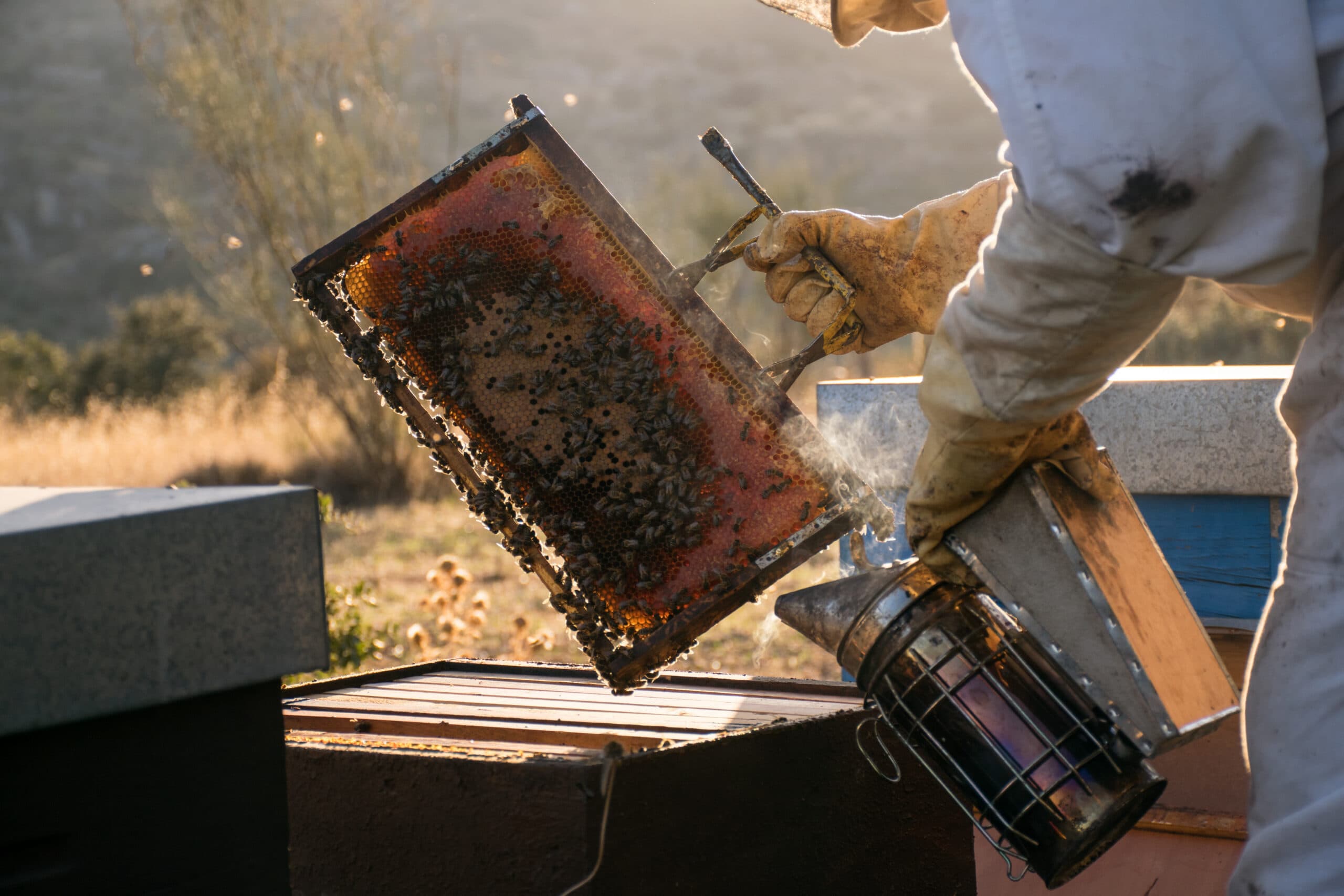
Through the active season, roughly March into October here, the hives need regular attention. Most hosting operators work them on something like a monthly cycle, more often when a colony calls for it, and the hosting agreement should say how much notice you get before a visit and what access looks like on the day. None of it should be a surprise.
Plan the big jobs together. Splits, requeening, and pulling honey take more time and more gear than a routine check, and a heads-up is reasonable. Routine visits are another matter. The beekeeper needs dependable access without a stack of administrative hoops, because bees don’t keep to a calendar. An arrangement that demands a week’s notice for a standard inspection works against colony health, and it quietly chips at the active-management record a county appraiser wants to see when your valuation comes up for review.
That record matters well past the bees. Appraisal districts can ask for evidence of active agricultural use at any time, and a beekeeper who logs visits, tracks colony counts, and keeps the paperwork can hand them proof when they do. The one keeping it all in their head has nothing to show. Ask how they document the work, and whether you get copies. Those records are part of what protects your exemption.
Colonies die, even under good management. Disease, a hard weather event, a cause nobody quite pins down. Central Texas summers and long dearths put real stress on bees, and losses reach careful keepers too. In a professional arrangement the beekeeper carries the replacement, their bees and their equipment and their operation, not a line item on your bill. The agreement should set the timeline, so a colony lost in late fall gets replaced the next spring, and that belongs on paper before any hives arrive.
Ask what the operator’s colony loss runs in a normal year. Anyone managing hosted hives should be able to hand you a real figure rather than a guess. A blank look there means they haven’t been tracking it, or they haven’t done this under a formal agreement before. And if a beekeeper wants you to split the cost of a dead colony, that’s not how a managed service works. Their losses are a cost of their business, the same as a rancher’s.
“A serious beekeeper has a clean answer for every one of these questions. The ones who stall are telling you to keep looking.”
Get all of it in writing before hives go anywhere, because a handshake leaves too much unsaid. A solid hosting contract covers the term and the renewal, how either side can end it, who owns the equipment on your land, what happens if they sell the operation or leave the business, and how compensation works. It should also make the beekeeper responsible for registration and regulatory compliance, so that division lives on paper instead of landing on you by default.
Plenty of people think Texas makes beekeepers register. It doesn’t. Registration with the Texas Apiary Inspection Service is voluntary and runs about $35 a year. A serious operator usually registers anyway, since it puts them on the state’s inspection and disease-reporting roll. In a hosting arrangement the beekeeper is the registrant. You carry none of it, and it has no bearing on whether your land qualifies for the valuation. That question runs through your county appraisal district, not the apiary inspector.
Arrangements run a range, so know which one you’re in before you sign. We run a fully managed lease. You pay for the management, we run the apiary and keep the records that back your filing, and you take a share of the honey off your own land. On qualifying acreage the ag-valuation savings often run well past what the lease costs, which is the whole point of doing it this way. We’ll place bees for no fee in the rare case, but that’s a conversation to have up front.
So ask what the fee covers. A professional walks you through it without dancing around the number, the management visits, the insurance, the replacement of dead colonies, the recordkeeping that backs your filing, and the honey. If the fee is one vague number with nothing itemized behind it, push for the itemization. You’re buying a working agricultural operation on your land, and you should see exactly what you get for the money.
Before you sign, look hard at two clauses. The first is any exclusivity clause that restricts other agricultural activity near the hive placement. Hold it against your own plans, because the cost is real if it limits grazing, haying, leasing, or anything else you mean to do with the land. If it touches a use you intend, settle that up front and put the resolution in writing. The second is any language that tries to pin colony losses from drought, weather, or general natural causes on you. Loss from the normal risks of beekeeping belongs to the beekeeper. Flag that wording before you sign, not after.
None of this takes a lawyer to sort out. When you’re ready to walk your acreage and see what a managed lease looks like on your land, here’s how we structure our hosting program.
Every hive we manage is held to a written standard: hygienic behavior, varroa resistance, queen veracity, and performance in Central Texas conditions. Genetics that don't hold up get replaced — not propped up.
Read Our Standards