Forage
Goldenrod and Bees in Central Texas
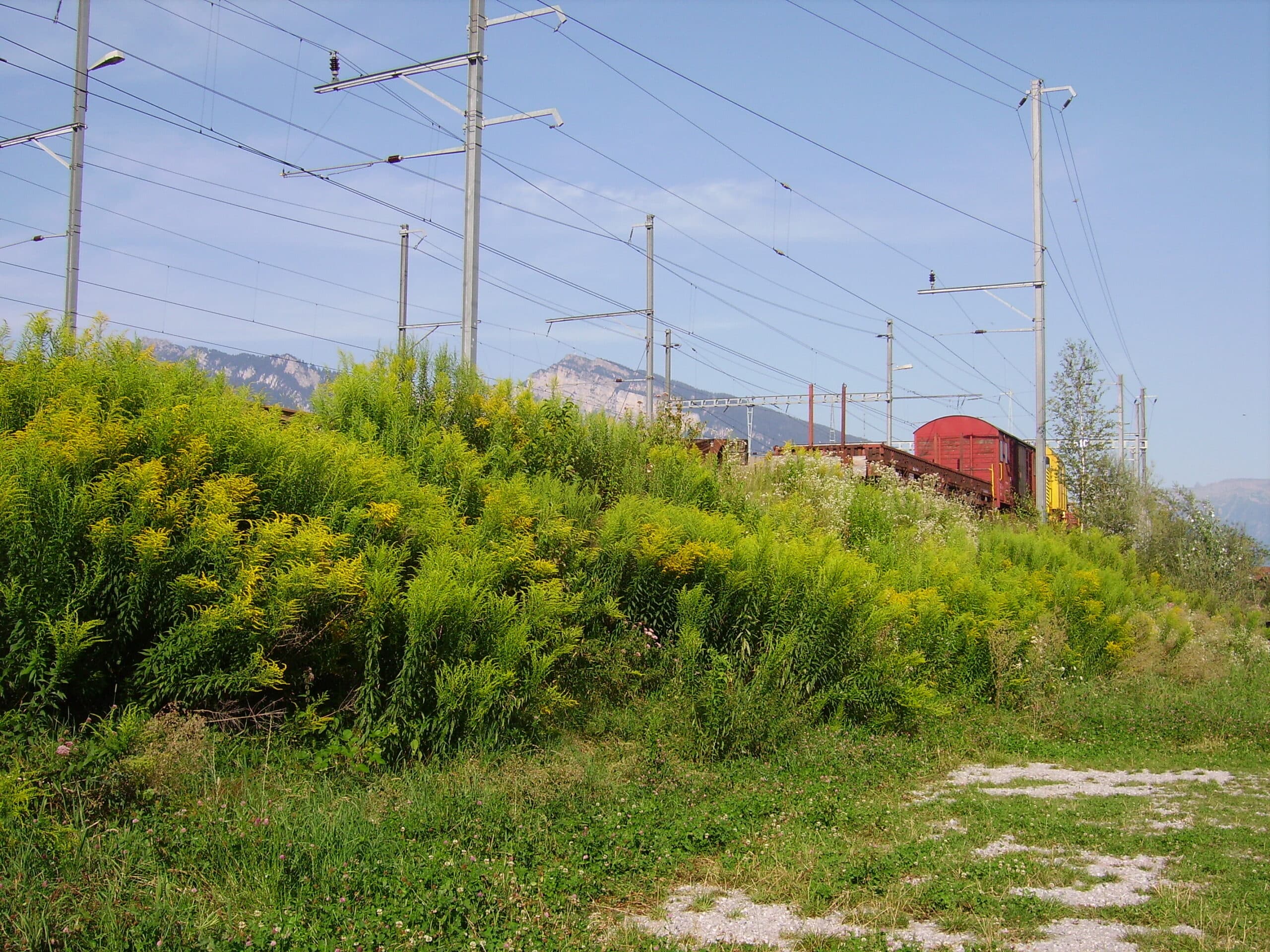
Goldenrod is among the last and heaviest flows of the Central Texas fall. Its dense late pollen builds the winter bees that carry a colony to spring, and we leave the honey on as winter feed.
Horsemint blooms across Central Texas from May into July, into the front of the summer dearth, when most of the year’s forage is already done. The Lady Bird Johnson Wildflower Center lists Monarda citriodora for its special value to native bees and bumble bees, not honey bees, and the plant isn’t in the Center’s honey bee collection. Our bees still work it hard while it’s blooming, though. In a wet spring the bloom comes on thick through early June, and we pull a real surplus off it, a strong honey. In a dry year it’s thinner, a supplement the bees live on through the July gap, not a honey crop.
The spring flow builds from January through May. Huisache comes first in January, mountain laurel follows in February, bluebonnets put up pollen through March, and mesquite carries the main nectar flow from April into June. Horsemint comes on at the tail of that, blooming from May into July, and through early June the two overlap and the bees work both at once.
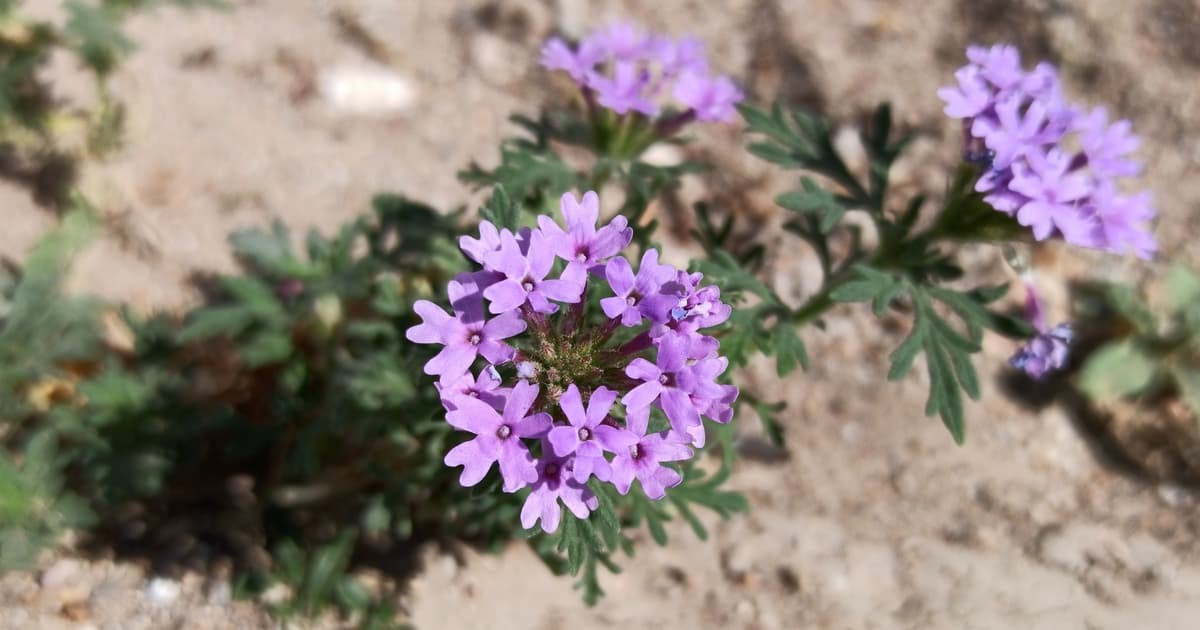
After early June the spring flow is finished and forage gets thin. The next reliable flow is goldenrod, and that’s months off, in late September or October. July into September is the dearth in between, when colonies work thin forage or draw down what they stored off the spring. Horsemint blooms right into the front of it, and a colony in range works it while little else is open. Prairie verbena is usually still going through the same stretch, another modest source in the gap.
You can see the dearth at the hive before you take the lid off. Forager traffic thins out, and on a hot afternoon the bees beard on the front to shed heat instead of the running in-and-out seen during a flow. Pull a frame and you’ll find them living off capped spring stores. A patch of horsemint in range is what keeps that draw-down slow.
In a good year we’ve pulled a surplus off it, a strong, full-flavored honey with real punch. It’s the bold kind the serious honey folks go looking for, the way a cheese lover reaches past the mild block for the sharp, aged stuff. We bottle it as wildflower, not as horsemint. By June the bees are on horsemint and whatever else the rain brought up with it, so what comes off is a mix. Calling it a single-source honey wouldn’t be true in our case.
During the summer dearth a colony takes whatever’s blooming in range, and a thick patch of it gets covered. Our honey bees work it right along with the bumble and native bees. The foragers come off it with pollen packed on their legs and nectar to unload. It’s less than the spring flow, but it’s steady intake through a lean month, and that keeps a colony off its stores.
On paper, horsemint is a native-bee plant. In a good year our bees turn it into honey all the same.
Monarda citriodora is a self-seeding annual. It comes up on its own, blooms, sets seed, and reseeds the same patch year after year without replanting. It’s native across Texas and the south-central states, north into Kansas and Missouri, west into New Mexico, and south into Mexico. Farther east, it grows only where it got carried in. In Central Texas it grows across the Hill Country, the Blackland Prairie, and the Edwards Plateau, on prairie, pasture, roadside, and dry rocky soil. Most landowners here have seen it without knowing the name.
It’s easy to name once you know it. The stem is square, the same as the mints and sages. The leaves are narrow and lance-shaped, and a crushed leaf gives off a sharp lemon scent, which is where the name lemon beebalm comes from. The flowers grow in stacked rings up the stem, and a collar of small leaves sits under each ring, whitish to lavender. At full bloom the plant stands up to about two and a half feet.
It grows thickest on open, sunny sites with dry, rocky soil, the kind of pasture and roadside that won’t carry good grass. Most apiaries in the Hill Country or the Blackland Prairie already have horsemint inside foraging range. A colony ranges a couple of miles for forage, and on most Central Texas places that reaches just about everything worth working.
Horsemint is one of the easiest native forages to get started. The Wildflower Center’s profile gives a broadcast rate of three pounds of seed per acre. It comes up on rainfall alone and tolerates drought once it’s rooted.
Seed it in fall or early spring. Spread it evenly and rake it into loose topsoil so it makes good contact. A patch that gets through one bloom cycle reseeds itself and holds without any more work from you. Put it on the poor spots, sunny low-grass patches, dry rocky flats, and the road margins that never grew anything worth keeping.
For anyone keeping bees through the summer, horsemint adds forage from late spring into summer at almost no cost. The main beneficiaries on most places are the native bees the Wildflower Center is pointing at. Our honey bees work it on top of that. In a lean summer the two are working the same blooms, so it isn’t all free lunch, but it still means more forage on a place that wasn’t feeding much before. A place carrying both mesquite and horsemint keeps bees in nectar from April clear through July.
Bloom season: May through July, core bloom, stretching toward September with supplemental water.
Forage value for honey bees: Summer bridge in most years, and a real flow in a wet one. Strong colonies put up a surplus off it in a good spring, and it makes a strong honey we bottle as wildflower. Native bees and bumblebees are the primary pollinators.
Native status: Native annual, Monarda citriodora, Lamiaceae. Widespread across the Hill Country, Blackland Prairie, and Edwards Plateau.
What horsemint gives a Central Texas colony is a bloom in the hardest stretch of the year. From May into July, with the spring flow behind them and fall a long way off, the bees have somewhere to work. It doesn’t fill the whole summer. Nothing in Central Texas does. But it’s one of the few plants still going when little else is in bloom.
The whole year’s bloom order is in the Central Texas wildflower library. Start there if you want to know what your land carries and when.
Summer forage is the piece of a property most people overlook, and it carries a colony through the leanest weeks of the year. Horsemint turns up on most places on its own. That standing summer bloom is a real part of what makes a property worth putting bees on.
Every hive we manage is held to a written standard: hygienic behavior, varroa resistance, queen veracity, and performance in Central Texas conditions. Genetics that don't hold up get replaced — not propped up.
Read Our Standards