Forage
Goldenrod and Bees in Central Texas
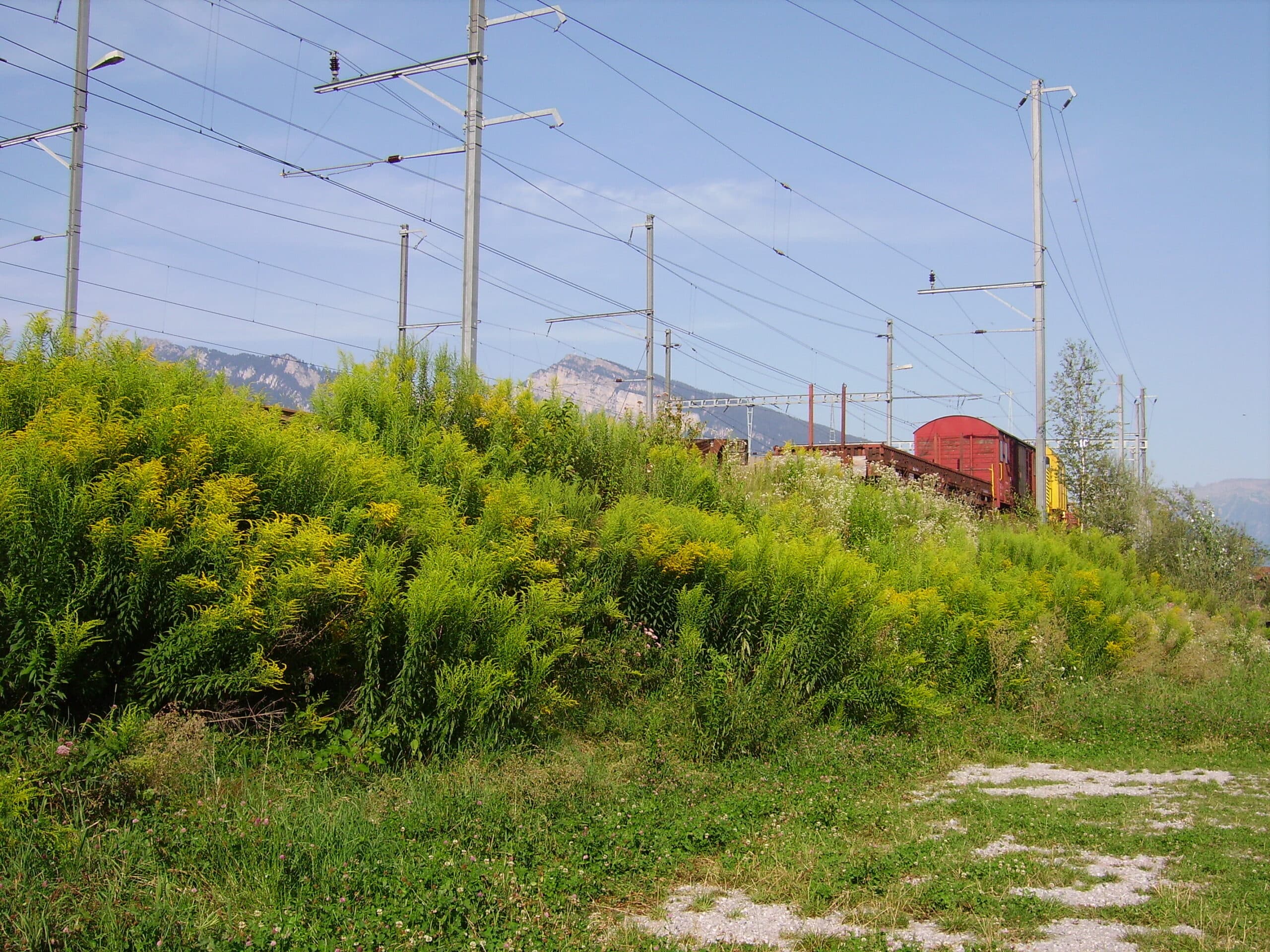
Goldenrod is among the last and heaviest flows of the Central Texas fall. Its dense late pollen builds the winter bees that carry a colony to spring, and we leave the honey on as winter feed.
White clover is one of the most important honey plants in North America. Up in the cooler, wetter clover belt, it’s the plant much of the country’s honey comes off. It’s a common pasture and cover crop up there too. On the dry pasture that covers most of Central Texas, though, you won’t find much of it. It’s a cool, wet-country plant, and out here that comes down to watered land and not a lot else. It’s also not native to Texas. It came over from Europe as pasture seed and spread across the continent from there.
If you keep bees out on Hill Country pasture, clover isn’t going to carry your forage the way it does farther east. You’ll see it on watered or bottom land, not out on dry range. On most places out here, the bees hardly ever come across it.
The mild amber honey most people grew up on is clover honey, and a lot of it comes off white clover. In the cool, moist country it favors, the plant makes honey in real quantity, and beekeepers up in the northern clover belt build their summer flow on it. Give a strong colony a field of it in bloom, and the hive puts on weight in a hurry.
White clover is a low, creeping perennial. It spreads by runners that root as they go. That’s how a patch thickens up and holds, as long as the moisture stays. The bees work it for both nectar and pollen, and that pollen is pale, easy to spot on their legs as they come in.
A honey bee can reach the nectar in white clover, which isn’t true of every clover. The florets sit packed in round white heads. Each one is a short tube a honey bee reaches into without any trouble, and a single head carries forty to a hundred of them. Red clover is the taller pink kind. It holds its nectar down a tube around eight millimeters, past what a honey bee’s tongue can reach. That’s why red clover is a bumblebee plant and white clover is a honey bee’s.
That kind of honey crop comes off cooler, wetter country than Central Texas has. Closer to home, the water it wants is in East Texas, where the rain runs heavier and the summer heat doesn’t bake the land dry the way it does out on the plateau. Come west onto the dry Central Texas range, and it thins out fast.
White clover came up in the cool, damp climate of Europe, and it never lost the need for water. The USDA plant guide for white clover notes it thrives in cool, moist conditions, and that dry soils limit where it establishes. The forage guidance written for Texas says the same, that white clover wants good soil moisture and won’t produce on dry upland. Central Texas gives it little of either, least of all out on open range. The rain is thin, the summers run long and hot, and much of the land is shallow, dry caliche that won’t hold clover through a summer. On dry upland pasture it often won’t come up at all, and what does come up in a wet spring burns off once the real summer heat sets in.
Where you do find it here is wherever the water is. A watered lawn, an irrigated hay field, a creek bottom that stays damp past June. Even there it runs in patches, nothing like the broad sweeps that make clover honey up north.
We run bees on pasture across the Hill Country, and clover isn’t part of what they bring in. Now and again a yard sits near an irrigated place, and the bees pick at a patch of it. That’s uncommon, though, and it’s never much. Out on open range, it simply isn’t there to work.
Clover makes a famous honey, but it makes it somewhere wetter than here. On dry Central Texas range you’ll walk a long way before you turn up enough to matter.
If your land runs to dry upland, clover isn’t a plant to count on, and there’s not much you can do about it. If you’ve got a watered patch of it, the bees will work it while it blooms. But it’s a little extra at most. You probably won’t pull honey off it. For most hives out here, it never adds up to more than that.
If you want clover anyway and you can water, late winter or early spring is the time to broadcast seed into a mowed or grazed patch, pressed into good soil contact. Without steady water through the summer, the seed won’t build a stand, and you’re usually better off putting the effort into the native forage that already wants to grow here.
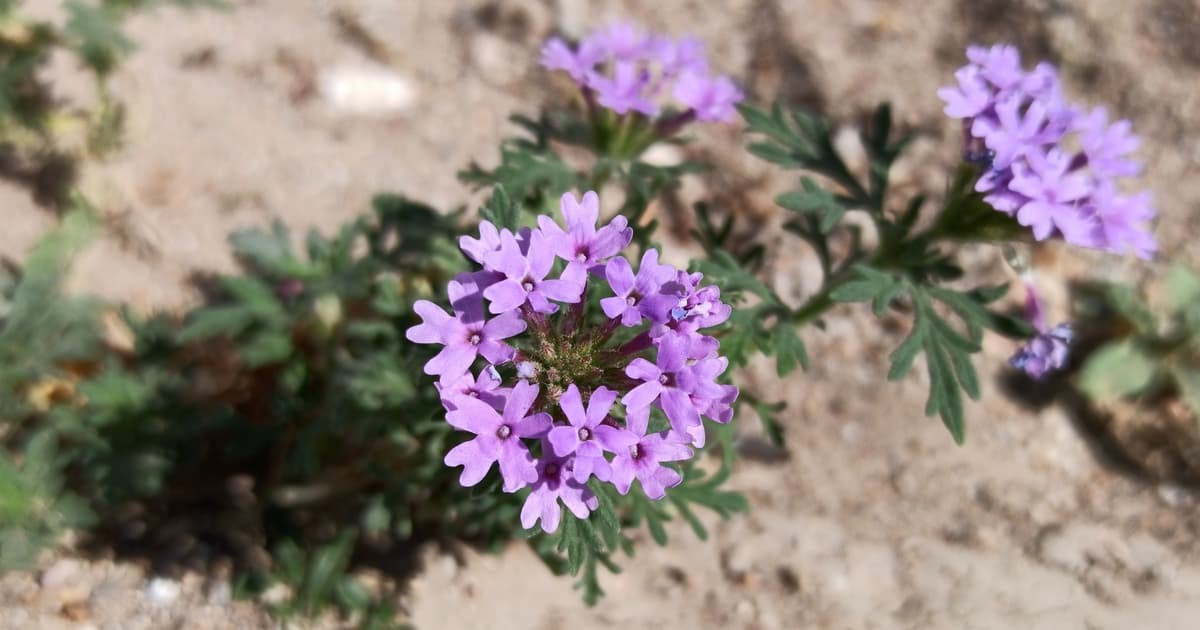
The natives that do the forage work here are built for the heat, like prairie verbena holding on through the summer on dry caliche. Clover isn’t built that way. It runs on water, and it won’t hold here without it.
Like mesquite and huisache, clover is a legume. It pulls nitrogen out of the air and fixes it in the soil through its roots, feeding the land whether or not a bee ever touches it. A pasture with clover in it gets a little richer as it grows. For a landowner running cattle or cutting hay, that’s worth something on its own.
White clover is simple to spot. Three rounded leaflets, often marked with a pale chevron. Small white flower heads on their own stalks, through the spring wherever the moisture holds.
Bloom season: Spring where the moisture holds, and gone with the summer heat. On dry pasture it may not show at all.
Forage value for honey bees: Among the top honey plants in the cool, wet country up north, grown as cover crop there. In the drier, hotter country most Central Texas hives work it barely takes hold, incidental at best, a patch here and there near water, and never a crop.
Native status: Introduced perennial, Trifolium repens, Fabaceae. Brought from Europe as pasture forage and naturalized across North America.
On most Central Texas land, white clover sits at the edge of the forage picture. The year runs on native plants. The spring flow off the mesquite and the plants around it, the summer bridges that carry the dearth, the fall bloom that sets up the winter, that’s what fills the boxes. Clover comes into it only where the water does. For most hives out here, that means it barely comes into it at all.
The rest of the forage year, one plant at a time, is in the Central Texas wildflower library. It covers what blooms, when, and what each one is worth to a colony. The USDA PLANTS database lists it as introduced and maps where it grows across the country.
Before we put hives on a place, we walk it and tally what’s actually in bloom across the year. Out here that’s the native run, mesquite in spring and the plants that carry the summer and fall, far more than any clover. That’s part of how we work with landowners, and it’s why white clover, for all its reputation, rarely adds up to much on a dry Central Texas place.
Every hive we manage is held to a written standard: hygienic behavior, varroa resistance, queen veracity, and performance in Central Texas conditions. Genetics that don't hold up get replaced — not propped up.
Read Our Standards