Forage
Goldenrod and Bees in Central Texas
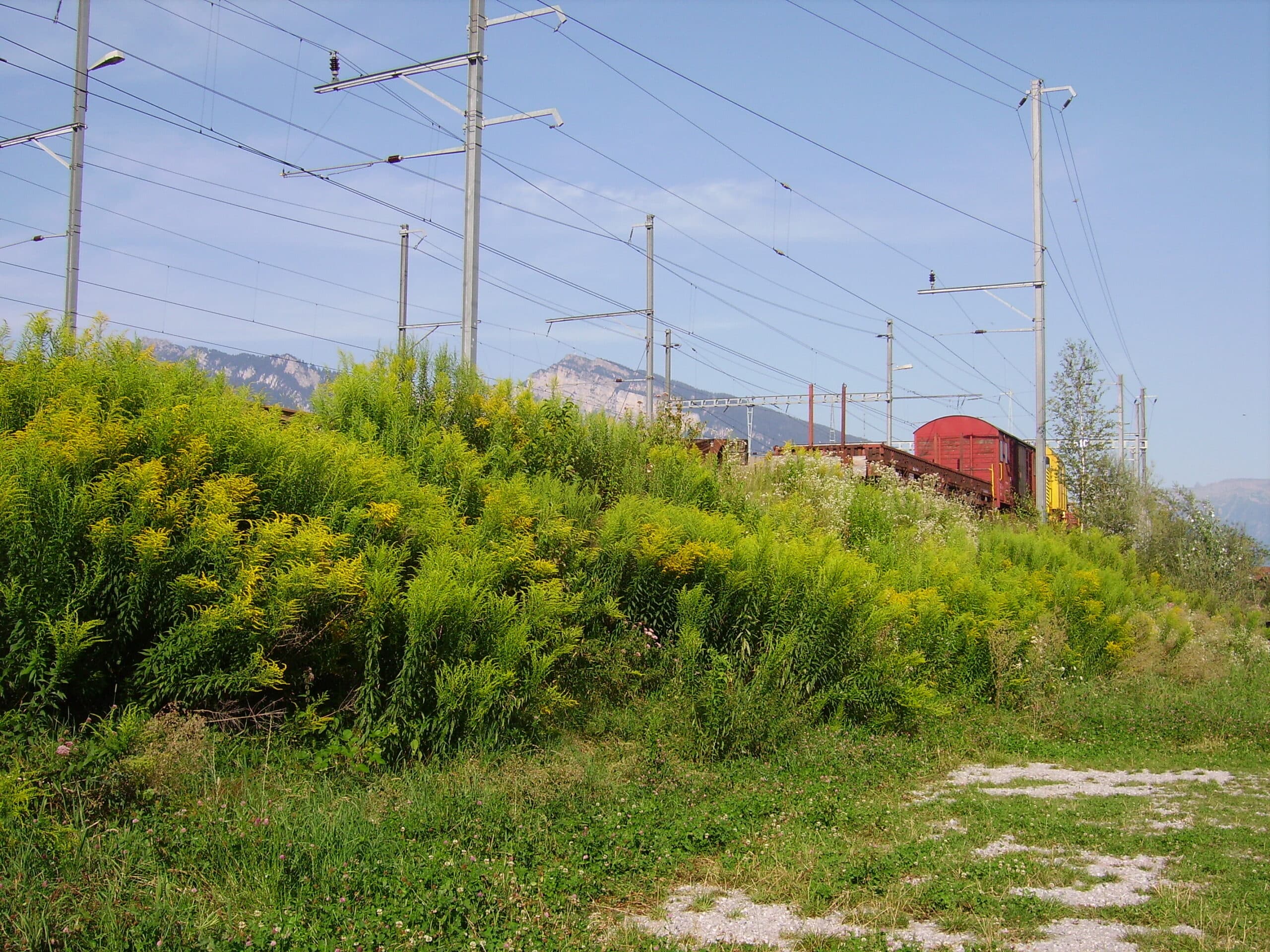
Goldenrod is among the last and heaviest flows of the Central Texas fall. Its dense late pollen builds the winter bees that carry a colony to spring, and we leave the honey on as winter feed.
Huisache is the tree ranchers clear as brush and beekeepers are glad to have. It flowers in January, weeks ahead of the big spring flows, its thorny branches covered in round golden heads while most of Central Texas is still bare. The bees are on it by early afternoon. Few plants give a colony anything to work that early in the year, and a January stand of huisache is feeding bees weeks before anything else will.
Huisache belongs to the pea family, Fabaceae, the same family as the bluebonnet, though the two flowers look nothing alike. They’re small, round, golden-yellow heads packed with exposed stamens, carried in dense clusters along thorny, arching branches. The scent is what people notice first, sweet and heavy, carrying clear across a pasture road on a warm afternoon. It’s where the plant gets its other names, like sweet acacia.
That open shape is what makes huisache easy to work. A bluebonnet, whatever the myth about it, isn’t buzz-pollinated. Its pollen sits tucked behind the keel of the flower. Huisache holds its stamens right out in the open, and a bee lands on a golden head, works it over, and moves to the next.
What the bees take off huisache is mostly pollen, yellow-orange and heavy while the flowers hold. In our yards it’s a pollen plant more than anything, with some nectar in the mix. And it comes in January, weeks ahead of everything else a colony works.
People sometimes expect a honey crop off huisache, and that’s mostly mistaken identity. The renowned South Texas brush honey comes from a different acacia, guajillo (Senegalia berlandieri), a cousin of huisache. That guajillo is the source of the Uvalde honey that took first place at the 1900 Paris World’s Fair, back when the county alone put up over 160,000 pounds of it in a year. Huisache is the more common tree and it blooms earlier, and for a hive what it offers is forage that feeds the buildup.
Even as forage, huisache does more where it grows thick, down in the South Texas brush country, than across the Hill Country and the northern edge of its range, where the stands thin out. In a warm January, with a strong colony flying, the bees work it hard for as long as the bloom holds. In a cold one, they barely touch it.
Huisache blooms in the dead of January, when a colony has almost nothing else to work. The pollen it brings in through those weeks puts a head start under the whole season.
By January a colony is living on what’s left. The brood nest pulled back over the winter, most of the fall’s foragers have aged out, and the combs hold little pollen. Nothing turns that around but fresh forage through the door, and huisache is often the first to send it.
A colony that starts spreading brood in late January carries a bigger field force into spring, when the mesquite flow comes on and makes the year. That early feeding is why one apiary comes into April packed with bees and another is still catching up. The return on huisache is two months out, in the supers those bees end up filling.
If your hives sit near a stand of it, February is the time to look in the brood nest. Pollen coming in and a brood pattern starting to spread is exactly what you want this early, a colony doing its job. Leave the lid on and let it run.
Across most of its Central Texas range, huisache gets treated as brush. On overgrazed or disturbed ground it comes in fast and crowds out pasture grass, and ranchers go after it with mechanical or chemical brush control. That’s sound range management, and there’s nothing wrong with the logic.
It’s a different call, though, if you keep bees. A stand of huisache in foraging range is the earliest forage those colonies will get until late February or March, and clearing it takes that away. Texas A&M AgriLife Extension’s huisache management guide covers how the plant spreads and how ranchers keep it in check across Central Texas rangeland. Read it before you make that call near your hives.
It doesn’t have to be all or nothing. A thicket on a rocky rise or a fence line that isn’t growing useful grass is a different question from huisache pushing into good pasture. Clear what’s crowding out your grass, and leave what isn’t. The huisache that’s not competing with anything stays put, and the bees keep the early forage.
Huisache is native across the southern United States, from the Southwest east to Florida and south through Mexico, according to the Lady Bird Johnson Wildflower Center’s profile of Vachellia farnesiana. It blooms from January into April. In Texas it’s thickest through the south and the southern Hill Country, thinning out as you head north. It takes to disturbed ground, roadsides, brushy pasture, and fence lines, on the limestone and sandy soils that cover much of the region. In country like Comal and Guadalupe counties it’s a common sight along the pasture edges.
It’s easy to know once you’ve got your eye in. The leaves are feathery and twice-divided, the branches carry needle-like thorns, and from January into February the round golden flower heads cluster all along them.
If you’ve got huisache on the place and you keep bees, that stand is the first thing they’ll work in the new year. What it’s worth shows up in February, in the brood spreading and the pollen coming in, and again in spring, in how strong the colonies come on.
Bloom season: January into April, among the earliest blooms of the Texas year.
Forage value for honey bees: Early-season pollen, with some nectar, worked mostly for the January timing. Feeds the late-winter buildup, well short of a honey crop.
Native status: Native thorny shrub or small tree, Vachellia farnesiana, Fabaceae. Formerly Acacia farnesiana.
Texas mountain laurel comes on just behind huisache in the early forage calendar, the next native bloom worth counting before the spring flows.
The Central Texas wildflower library walks the whole forage year, one plant at a time.
Every native plant on a place feeds a hive at some point, and lining them up is how we work with landowners. Huisache is the one that goes first, in January.
Every hive we manage is held to a written standard: hygienic behavior, varroa resistance, queen veracity, and performance in Central Texas conditions. Genetics that don't hold up get replaced — not propped up.
Read Our Standards