“Hygienic” and “VSH” get used like they name the same trait at two strengths. They don’t. Hygienic behavior is a colony’s knack for finding dead or diseased brood under the cappings and pulling it out before the trouble spreads. VSH, short for Varroa Sensitive Hygiene, is the narrower trait, aimed only at the cells where a varroa mite is breeding. Buy a queen marked hygienic when what you needed was VSH, and you can end up with a colony that handles brood disease well and still builds mites as fast as unselected stock.
If you’ve bought queens sold as hygienic and never got the mite relief you expected, this is usually why.
General Hygiene Clears Sick Brood
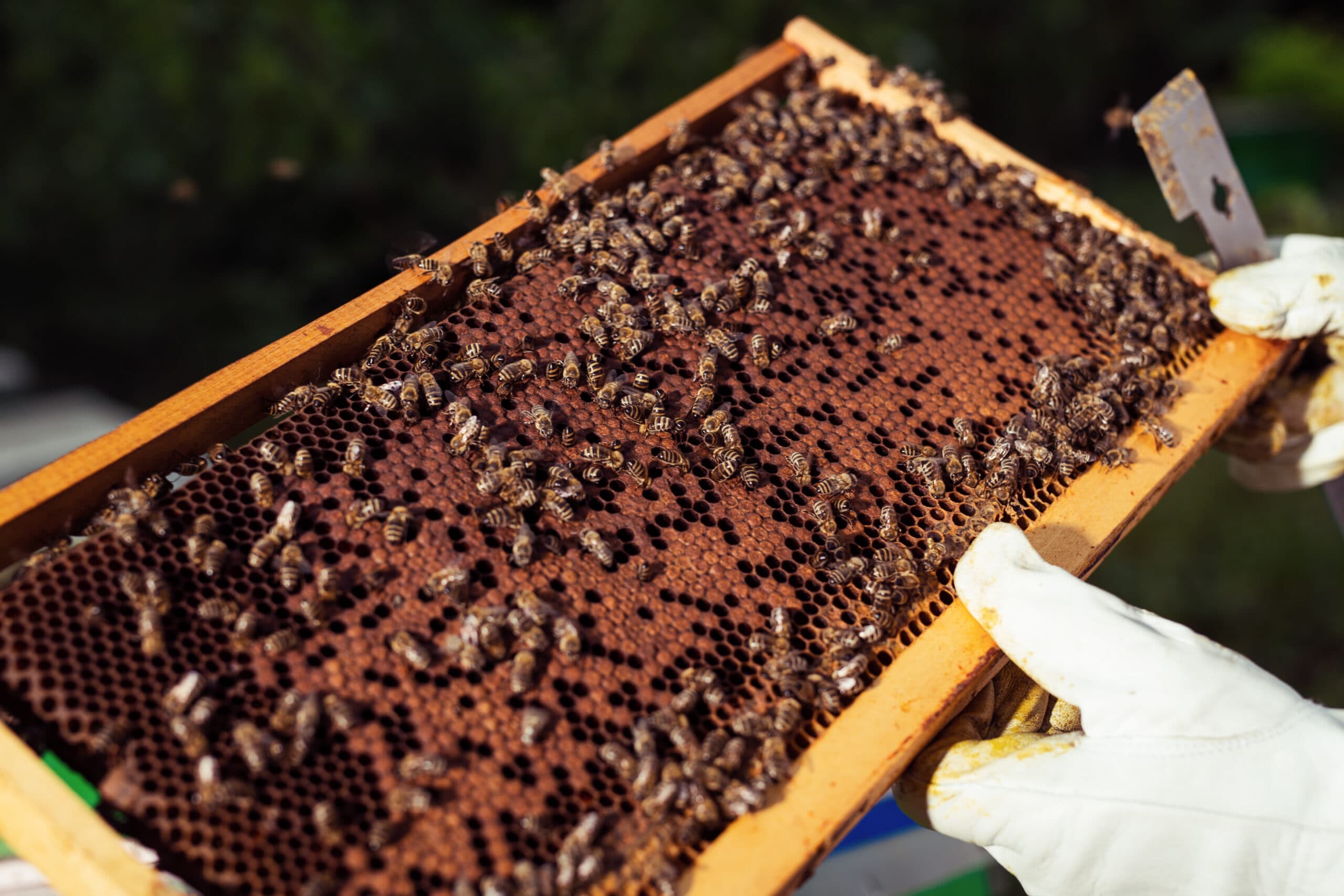
General hygiene is a brood-disease defense. The house bees scent a dead or diseased pupa under the capping, uncap the cell, and carry the contents out before an infection takes hold. That’s two separate jobs, the uncapping and the removal, and both fall to the house bees that keep the comb clean. A colony that does them well is what a breeder means by hygienic. It’s the broad disease-resistance trait our survivor selection breeds from.
A strongly hygienic colony keeps brood disease in check. It holds down chalkbrood, sacbrood, and American foulbrood, the diseases that take hold when dead brood sits in the comb. The varroa help is incidental. A hygienic colony clears sick brood, and some mite-infested brood goes out with it, but the bees aren’t hunting the mite.
General hygiene is something you can measure. Kill a small patch of sealed brood, freeze it or prick it with a pin, put the frame back, and a day later, count how much the colony cleared. A strong colony clears most of it. The best lines run past 90 percent, and the ones past 95 percent earn the “highly hygienic” label. The freeze-killed brood assay swaps the pin for liquid nitrogen and measures the same trait. We run the pin version in our yards because a pin travels a lot easier than a tank of liquid nitrogen.
VSH Aims at the Mite
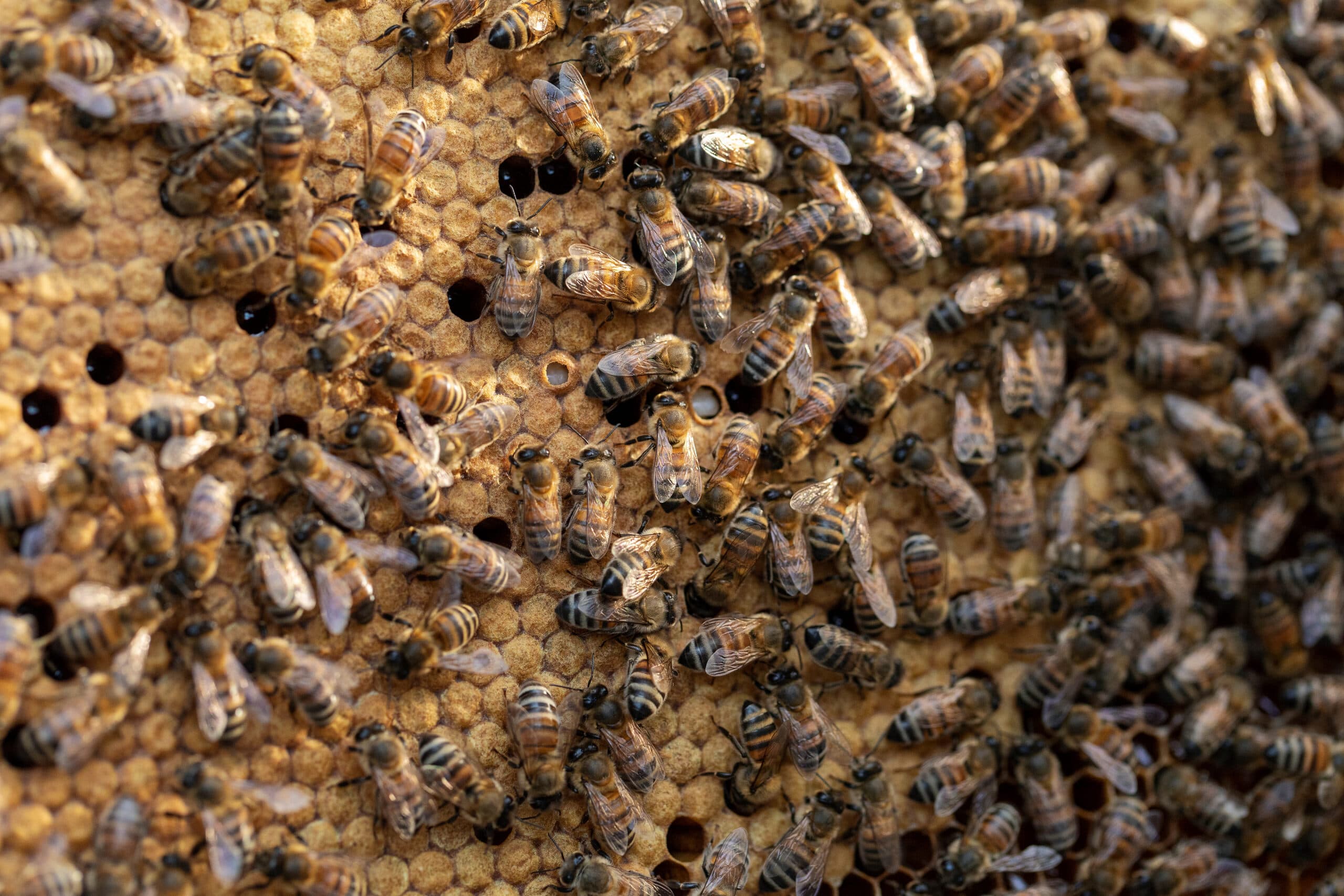
VSH came out of the USDA Honey Bee Breeding lab in Baton Rouge, where John Harbo and Jeffrey Harris bred it up and worked out what it does. They first called it suppression of mite reproduction, SMR, for the high share of infertile mites it left behind. The mechanism turned out to be hygiene pointed at the right cells. The workers find and pull the pupae where a mite is reproducing under the capping, so it never finishes a brood cycle. The trait picked up the name Varroa Sensitive Hygiene once the lab understood how it worked.
That aim is the whole difference from general hygiene. A hygienic colony clears whatever is dead or sick. A VSH colony reaches for the cells where the mite is actually breeding and takes those out. A mite can still slip into a cell and lay. What she can’t do is get a full crop of daughters out before the workers open the cell and clear it.
Scoring VSH takes more than the pin test. You have to open infested cells and check how many of the ones with reproducing mites the colony is catching and clearing, which is slower, fussier work. Most beekeepers never run it. A breeder selling VSH stock should be able to put a number to it, the share of mite-infested cells their colonies actually clear.
Hygienic behavior is the broad trait. VSH is the piece of it that targets varroa. Buying a hygienic queen without asking which one you’re getting is like buying a truck without asking if it has four-wheel drive.
Not All Hygienic Bees Are VSH
Every VSH colony is hygienic, because the varroa-targeting behavior runs on the same wiring as general hygiene. But plenty of hygienic colonies carry no VSH at all. A colony can score 97 percent on the freeze-killed brood test and tell you nothing about how it handles reproducing mites. It’s clearing dead brood, which is what the test measures, and the score reaches no further than that.
This is where the labels blur. Hygienic is a broad trait and an easy one to test for, so plenty of queens carry the word. VSH is narrower and takes more to verify, so the two often end up under the same label. A colony bred on a strong hygiene score is a better colony for it. It can still build mites as fast as unselected stock, though, if the varroa-specific trait was never part of the selection.
Both traits are inherited, and both ride on a lot of genes, not just one. Neither shows up by luck. Selecting for either one means running the right assay on your colonies, keeping the ones that score, and raising daughters off them season after season. That’s deliberate, ongoing work, and it takes a program built around one of the traits to keep it going.
The Difference Bites Harder in Texas
Texas runs varroa harder than most places, because there’s no real winter brood break here. The mite gets more breeding cycles a year than it would up north. Mite loads climb through the warm months, and a colony going into fall heavy with mites is in trouble before the first fall flow starts.
General hygiene helps at the edges. The varroa-specific trait works on the part of the problem that actually builds here, the mites breeding under the cappings across a long season. That’s the trait we select and source for. It doesn’t get a colony off treatment. When an alcohol wash hits 2 percent, we treat that colony and requeen it, and VSH is the trait we want the new queen carrying.
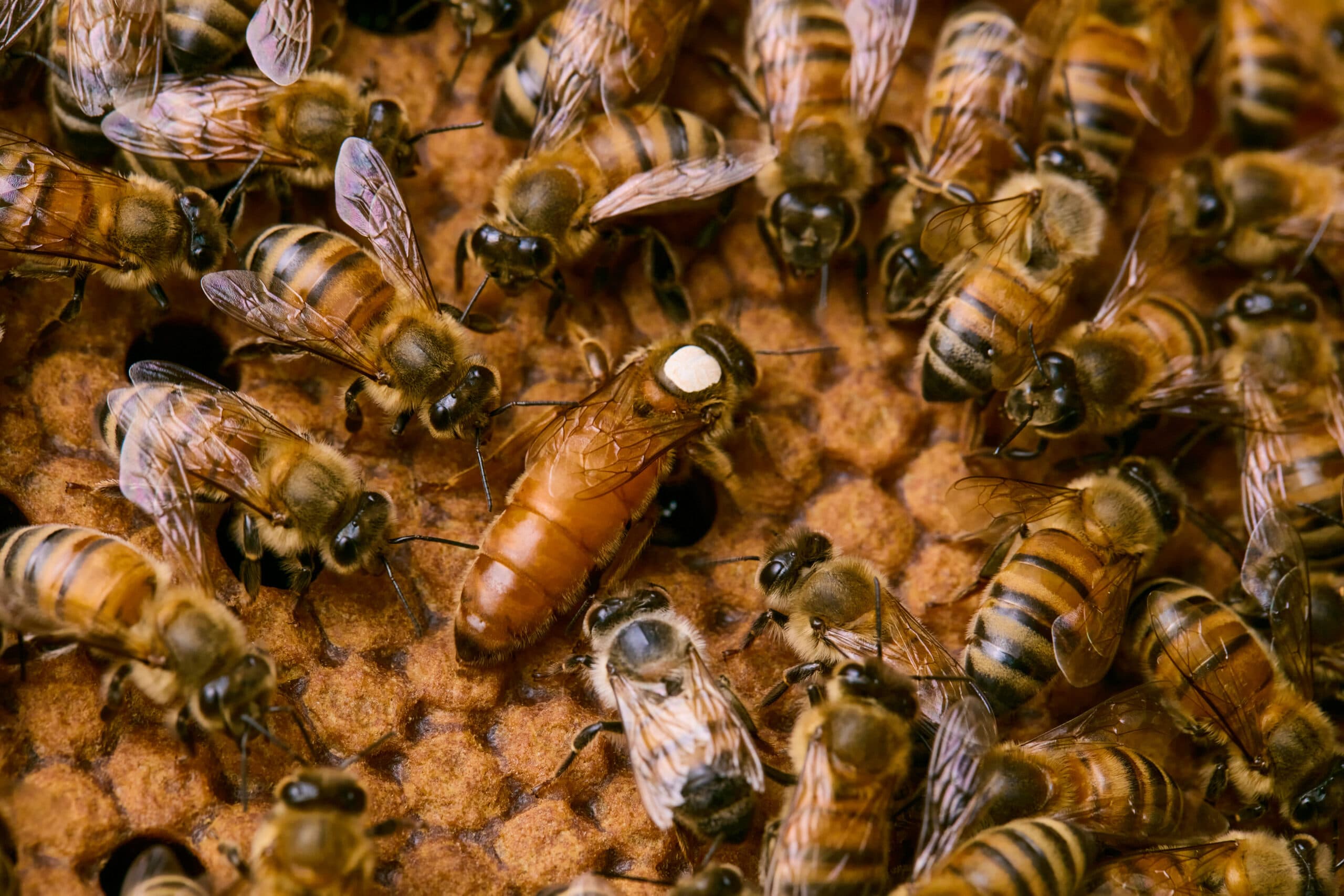
Our own bees come off that trait. The foundation goes back more than ten years, to BeeWeaver stock out of Navasota, the Weaver family’s operation and one of the oldest treatment-free breeders in Texas. By their own account that line was built in part on SMR bees, the same trait the Baton Rouge lab later renamed VSH. We’ve raised our own queens off it ever since, working fresh genetics in here and there to keep the pool wide, and none of them heads a colony until we’ve scored her.
Pin Down the Trait Before You Buy
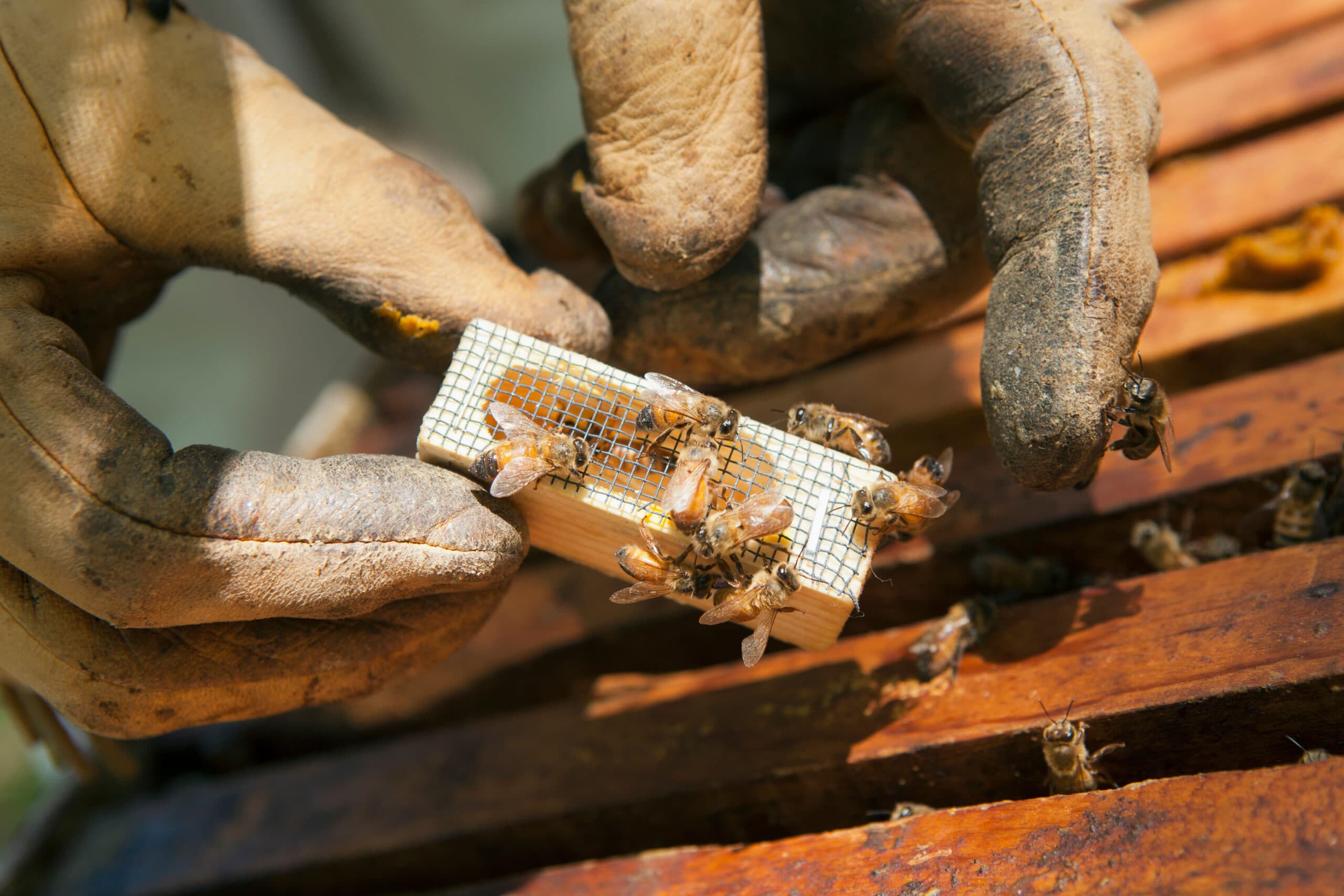
When a queen is sold on one of these traits, ask a few basic questions. Which trait is it, general hygiene or VSH? What test scored it, and what did the colony score? Is that number from this colony, or from the breeder colony it came off of, with the daughters carried along on the parent’s record? A breeder who can answer those has done the work and can show it. If the answers don’t come, the trait might still be there, since queen mating carries real variation, but you’re buying a direction rather than a tested result, and it helps to know which one you’re paying for.
Whether a hygienic or VSH claim holds up comes down to what the breeder tested and can show. A queen out of a real VSH line, with colony-level data behind her, is one thing. A queen off a colony that scored well once on a pin or freeze-killed test, with no breeding program behind it, is another, even though nothing on the label tells them apart.
Scoring Both Traits in Our Own Yards
Our own selection keeps the two apart, the same way the biology does. We score general hygiene with a pin test on the colony a candidate queen heads. VSH we check on its own, with an assay on the queens we breed ourselves, since a good hygiene score doesn’t prove the varroa-specific trait made it into her daughters. Alongside that, we watch mite counts across the yards on a steady alcohol wash, which turns up the colonies holding a load down under the same management as the rest. The full evaluation, threshold by threshold, is a job of its own.
We breed for a whole population that carries both traits down through its daughters. Do that, and each season starts from stronger stock than the last, instead of re-buying proven queens every spring. Sort the two out, and you stop paying VSH prices for a hygiene score, and stop wondering why the mites keep climbing on bees that were supposed to hold them down. That’s how we breed and pick our bees.